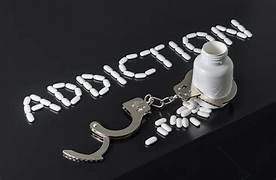
Recovery from drug addiction is not just an individual journey; it’s a communal effort that benefits from a strong support system. A support system can consist of friends, family, recovery communities, and professional therapists—all working together to provide encouragement, guidance, and accountability. Building a robust network of support is crucial for successful recovery, as it helps individuals feel connected, understood, and motivated to stay sober. Here, we explore how community and family play pivotal roles in aiding recovery and the steps individuals can take to foster these essential relationships.
The Importance of a Strong Support Network
Addiction often isolates individuals, creating a barrier between them and their loved ones, as well as their community. Building a support system helps to break down this isolation, providing emotional, practical, and even financial support. It offers a sense of belonging, which is particularly important during the early stages of recovery when individuals may feel vulnerable or unsure. Support systems can offer reassurance that there is hope, and recovery is possible. They can also provide practical help, such as driving someone to meetings, helping with childcare, or even sharing daily responsibilities.
Role of Family in Recovery
Family members play a crucial role in the recovery process. When addiction affects a family, it disrupts relationships and can lead to misunderstandings and resentment. However, healing and rebuilding these relationships can significantly aid recovery. Family therapy can help mend relationships, improve communication, and educate family members about addiction, its effects, and the recovery process. It also allows family members to express their feelings and concerns in a safe environment and to understand how their behaviors can impact the individual in recovery.
Some families may feel uncertain about how to offer support without enabling negative behaviors. Professional guidance can help families learn how to set healthy boundaries, offer encouragement, and provide emotional support without triggering relapse. They are also encouraged to take care of themselves and their own well-being, as supporting someone in recovery can be emotionally taxing.
Community Support and Recovery Groups
Communities, both local and online, play an equally important role in supporting recovery. Community support groups such as Narcotics Anonymous (NA), Alcoholics Anonymous (AA), SMART Recovery, or other peer-led groups are designed specifically for individuals in recovery. These groups offer a sense of camaraderie, shared experiences, and hope for a sober future. They provide a platform for individuals to share their stories, learn from others, and receive feedback and encouragement. The anonymity and non-judgmental atmosphere make it easier for people to open up about their struggles and progress.
In addition to traditional support groups, many communities have resources such as community centers, religious groups, and social clubs that offer a safe space for individuals in recovery to connect with others. These organizations often host events, activities, and volunteer opportunities, which can help individuals rebuild their social lives and feel more integrated into their communities.
Creating a Supportive Environment
Creating a supportive environment involves being proactive in reaching out and maintaining connections. Individuals in recovery can take several steps to build a solid support system:
- Reach Out to Family and Friends: Open up communication with family members and close friends about your recovery journey. Let them know how they can support you and what behaviors might trigger cravings or temptations. Invite them to participate in family therapy sessions or recovery meetings.
- Join Support Groups: Whether in person or online, joining support groups allows individuals to connect with others who understand the struggles of addiction. This network can provide advice, share success stories, and offer a lifeline during tough times.
- Participate in Community Activities: Engage in community activities, volunteer opportunities, or clubs that interest you. These can be excellent ways to meet new people, build healthy relationships, and reinforce a sense of purpose.
- Seek Professional Guidance: Therapy provides structured guidance and helps individuals develop coping mechanisms. It can also be a space to work through family issues and heal wounds that may have resulted from the addiction.
- Maintain Boundaries: Setting healthy boundaries is important for protecting your sobriety and mental health. Let your family and friends know your limits, and be firm but polite about not participating in activities or conversations that might compromise your recovery.
The Long-Term Benefits of a Strong Support System
A strong support system is an ongoing source of encouragement and accountability. It helps individuals stay motivated and committed to their recovery goals. Over time, as individuals build confidence and trust in their support network, they can face challenges and setbacks with greater resilience. They are more likely to maintain sobriety and lead a fulfilling, drug-free life when they have a community that values their well-being and a family that supports their journey.
In conclusion, building a support system is an essential aspect of drug addiction recovery. Both family and community play vital roles in providing the emotional, practical, and social support needed to sustain sobriety. By reaching out, participating in support groups, and engaging with their communities, individuals can create a supportive environment that promotes healing and long-term recovery.